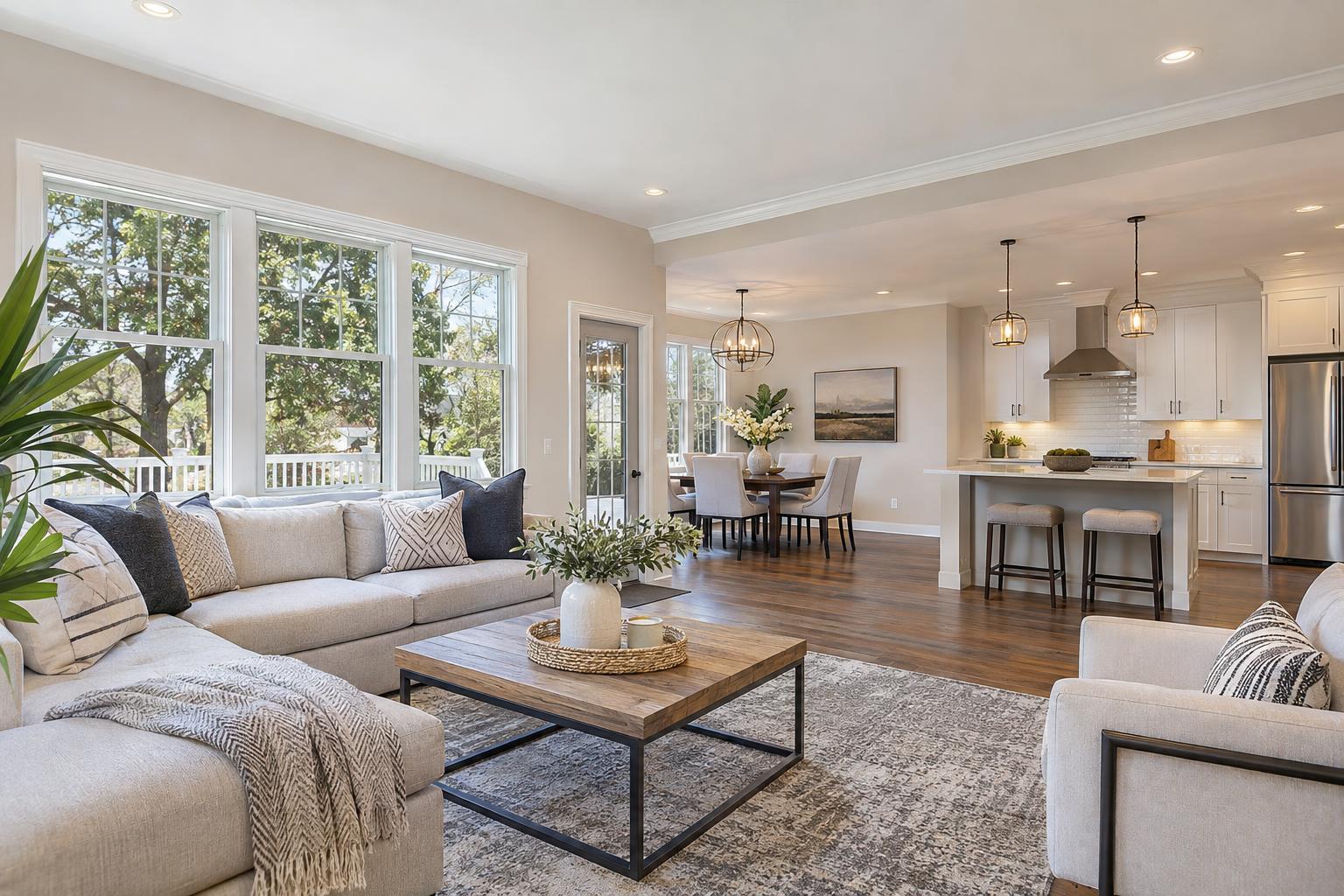
Learn how to choose the best real estate photography services to showcase your property effectively and attract buyers in NYC and New Jersey.
Why Real Estate Media Matters
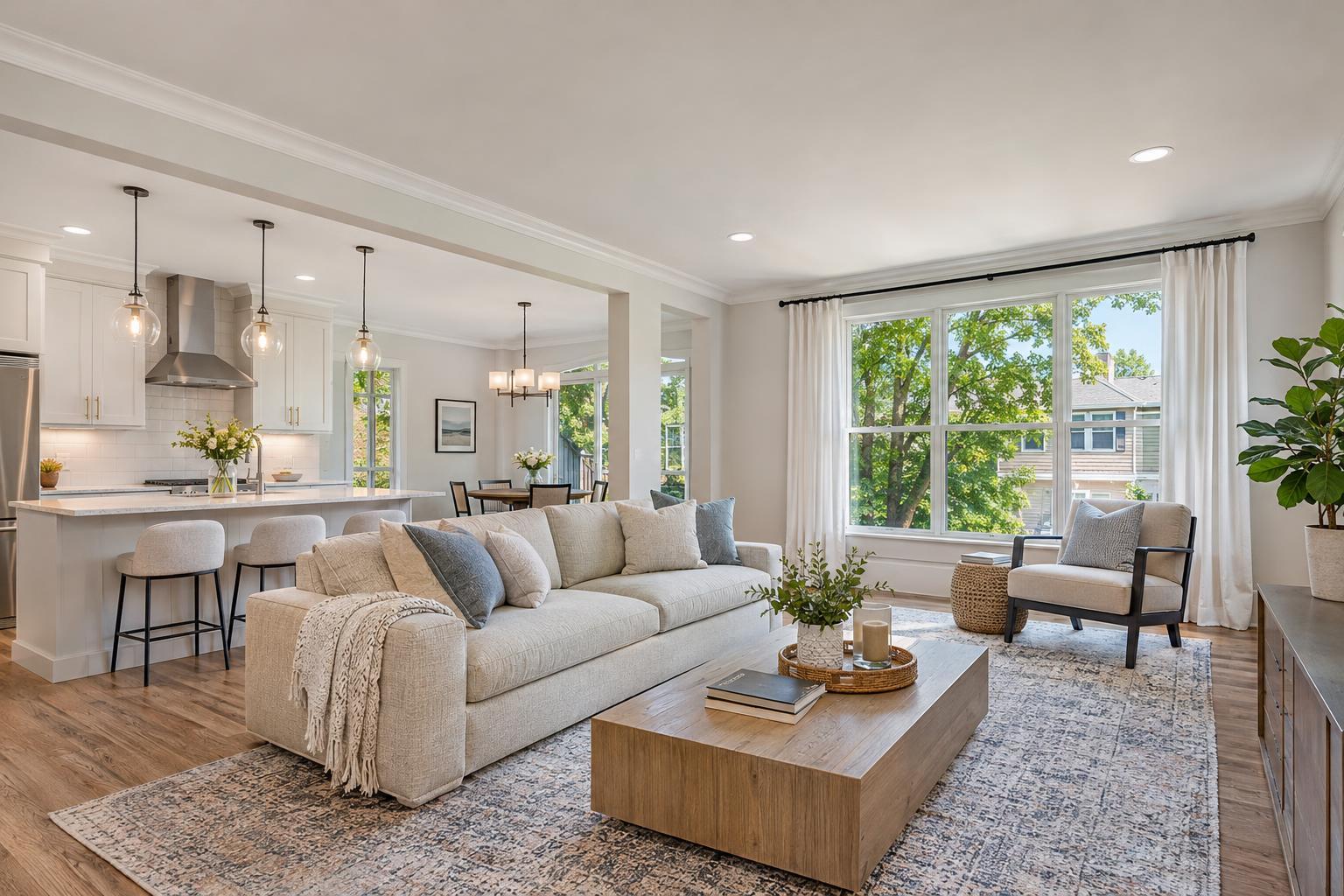
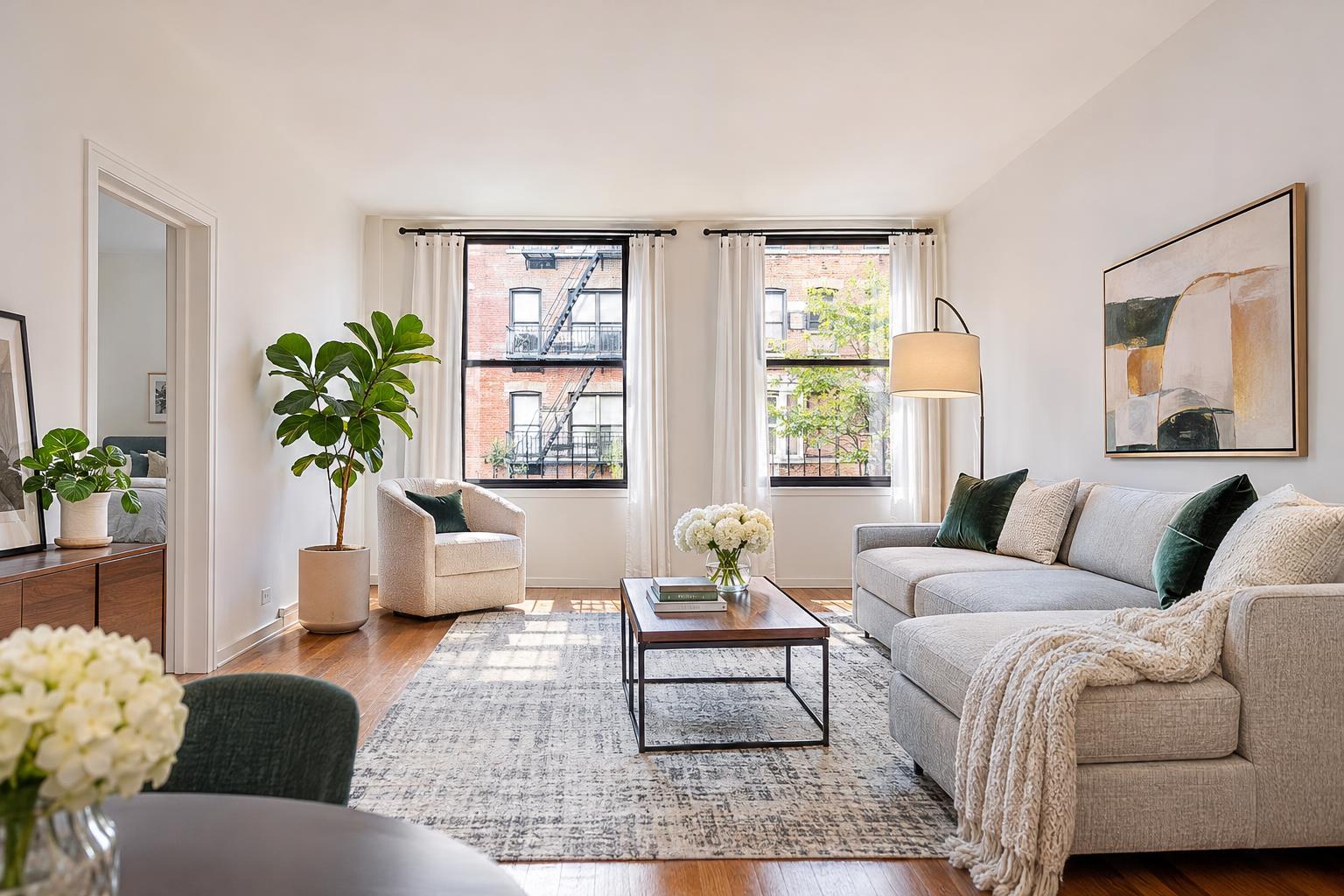
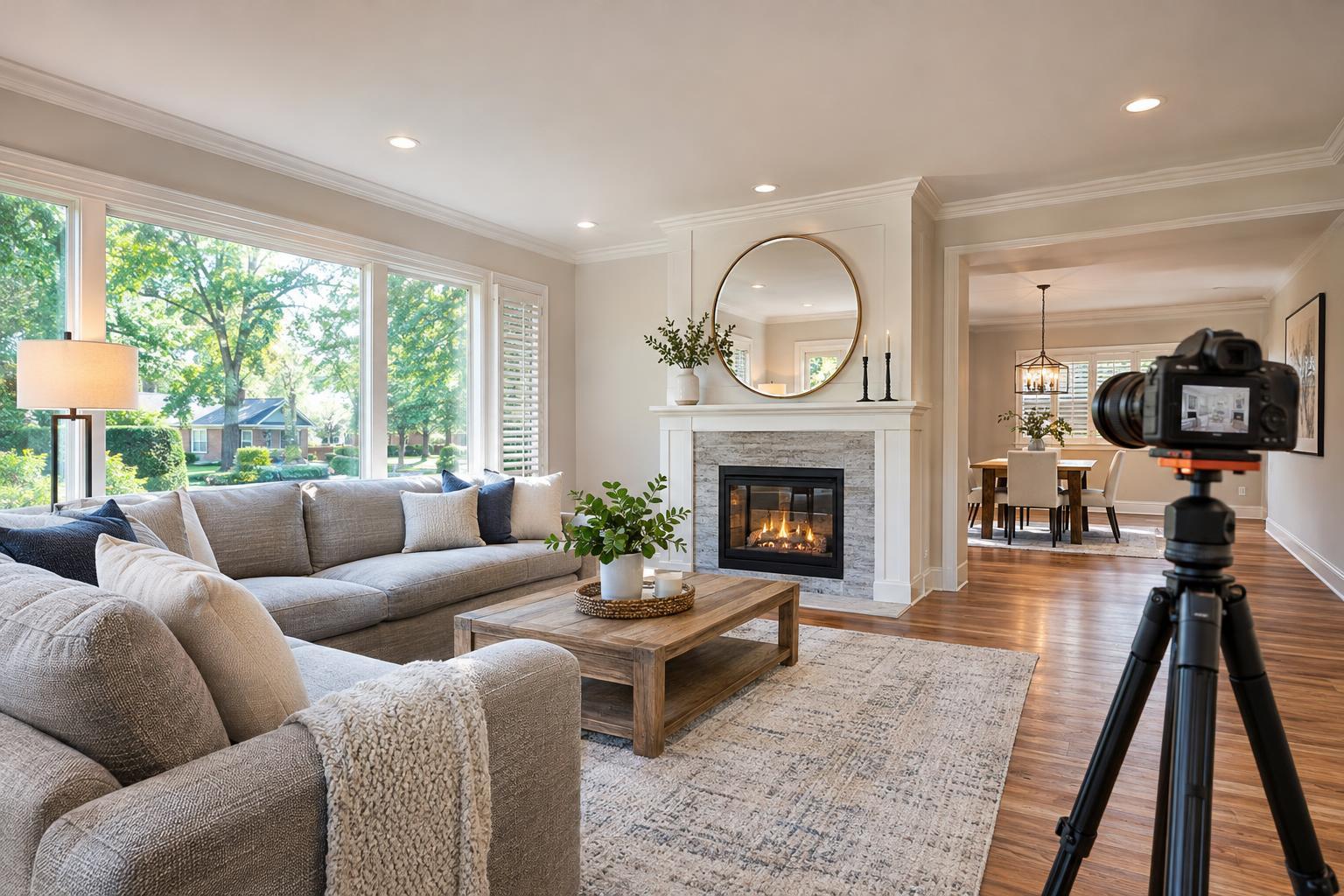
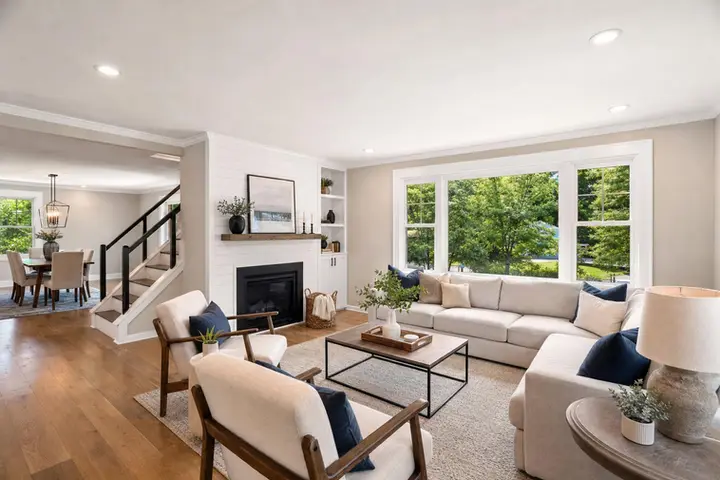
Selecting real estate photography for a property listing is one of the most important steps in preparing a home for market in New York City or New Jersey. Quality photographs influence the first impression for buyers, renters, or tenants by helping them visualize spaces, details, and the overall experience of the property online. The process isn’t about making rooms look bigger or brighter than they are; it’s about helping viewers understand room layout, natural light, finishes, and the way spaces connect.
Busy agents, brokers, and property managers often face pressure to book quickly, but comparing providers based on skill, experience, and thoroughness is worthwhile. Not all real estate photography services use the same approach, and different properties deserve targeted attention. A studio apartment in Manhattan, a brownstone in Brooklyn, or a home with outdoor amenities in New Jersey each calls for a unique visual plan.
Before contacting photographers, consider what a viewer will need to understand from the images. Clarity should be balanced with visual appeal, listing photos should show how rooms relate, how the daylight fills the space, and any details that distinguish the property. Gathering a short list of the property’s strengths, such as a renovated kitchen or balcony view, helps set priorities before the shoot.
Video, 3D Tours, and Visual Storytelling
A provider’s portfolio reveals much more than just style preferences or highlight images. Look for consistent skill across a variety of property types and conditions, not just luxury listings or dramatic wide shots. Photos of ordinary bedrooms, narrow kitchens, or rooms with complex lighting will show how well a photographer handles the challenges common in urban and suburban listings.
Professional property photos should accurately represent the property by minimizing distortion, emphasizing straight lines, and capturing surfaces with true-to-life color and exposure. Inconsistent editing, unbalanced window light, or heavy digital alterations can make a property feel disjointed or misleading. It’s a good idea to request examples similar to your listing, especially when dealing with small rooms or unique spaces.
Every property has its own story, so the right shot list will vary based on location, size, and layout. For instance, a compact Manhattan apartment benefits from careful angles that show how living and sleeping areas connect, while larger homes may require more extensive coverage of exteriors, finished basements, or private outdoor spaces. One-size-fits-all photography can overlook the details that matter to prospective buyers or tenants.
Why Agents Choose RealtaSnap
- Brownstones and historic townhomes are often defined by their character, think stoops, woodwork, fireplaces, and interconnected floors. A skilled photographer will adjust their approach to highlight those attributes while also showing how public and private spaces relate. In condos and new developments, combining residence photos with select building amenities can add helpful context if access is available.
- For larger homes in New Jersey, it’s important to organize photos so that the tour feels logical and complete without excess repetition. Exterior features like gardens, pools, or unique rooflines may benefit from aerial images. However, drone usage requires evaluation for safety, airspace, and weather, and should never be assumed available without discussing feasibility for the specific address.
- Image editing is a normal and essential part of real estate photography, but standards, and what is included, vary greatly. Ask potential providers about their approach to correcting verticals, balancing brightness, keeping color consistent, and retouching or distraction removal. Make sure you know what’s covered in the standard package and what, if anything, is billed separately before the shoot.
Fast Turnaround and Better Results
Preparation before your appointment makes a significant difference in the finished images. Rooms should be cleaned, personal items removed, beds made, and lighting checked so that the photography captures the best features of the home. Clear spaces and organized surfaces allow viewers to focus on layout and finishes rather than clutter or distractions.
Coordinating access and clear communication are just as critical as camera technique. Provide accurate address and entry details, specify any rooms or features needing special attention, and clarify building rules for common areas. Discuss expected turnaround times in advance, as delivery may be affected by property size or additional media options.
RealtaSnap offers online booking with a user-friendly workflow for entering property details, choosing services, adding entry notes, and selecting from available times. The booking process is designed for clarity and efficiency, with clients able to view available time slots and confirm appointments with at least 24 hours’ advance notice. Services are available throughout New York City and New Jersey, with certain options in nearby markets as approved.
Extra media such as floor plans, video walkthroughs, virtual tours, or virtual staging can help listings when the property’s layout or features would benefit from additional context. Not every listing requires every media type, so these should be chosen based on what will help viewers understand the space. All prices and information are subject to change. Information is deemed reliable but not guaranteed.
Ready to Elevate Your Next Listing?
Ready to get started? Visit RealtaSnap to explore our services and book your next shoot.
Frequently Asked Questions
How do I determine the right number of photos for my property listing?
Consider the size and layout of the property; a smaller apartment generally needs fewer, focused images, while a larger home may require more to ensure each area is represented clearly.
Should I be on-site during my real estate photography appointment?
It's helpful to have someone with access knowledge present, especially if there are important details or access requirements, but clear entry instructions and availability are usually sufficient.
Can virtual staging be added to rooms that already have furniture?
Virtual staging works best in empty rooms; if existing furniture is present, clutter removal should be ordered first to achieve realistic results.