Learn how to choose the right commercial real estate photographer for your NYC or NJ property and ensure your commercial property photography stands out.
Why Real Estate Media Matters
Choosing a commercial real estate photographer is a crucial part of presenting your property to brokers, owners, property managers, and developers throughout New York City and New Jersey. Whether you’re preparing to market an office, retail, warehouse, or development site, selecting a photographer goes beyond hiring someone with professional equipment. You want someone who understands what your audience needs to see and can showcase the property’s real strengths clearly and accurately.
Commercial property photography must do more than create an inviting image. Prospective tenants, investors, and buyers look for details that often matter more in a business context, usable square footage, ceiling height, finish quality, access points, and overall layout. The resulting images should answer practical questions about a space, making the decision process smoother.
In places like Manhattan, Brooklyn, and across New Jersey, dense building environments, high foot traffic, and operational sites can add another layer of complexity. The ideal photographer not only brings technical skill but also adapts to your property’s specific situation and the way images will be used in listing packages, presentations, or investment materials.
Video, 3D Tours, and Visual Storytelling
The demands of commercial photography differ from residential real estate shoots. While residential images usually focus on warmth, lifestyle, and comfort, commercial assignments prioritize showing how a space functions, how it relates to its surroundings, and what operational advantages it offers. A skilled commercial photographer will capture aspects such as the circulation between rooms, proximity to amenities, and access to loading or parking.
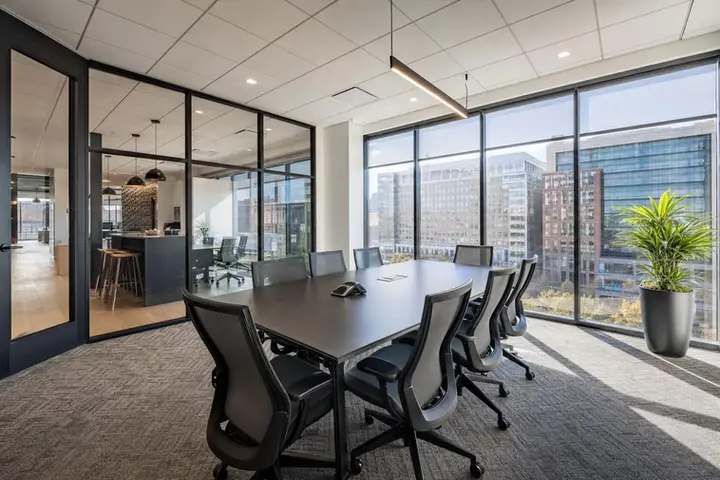
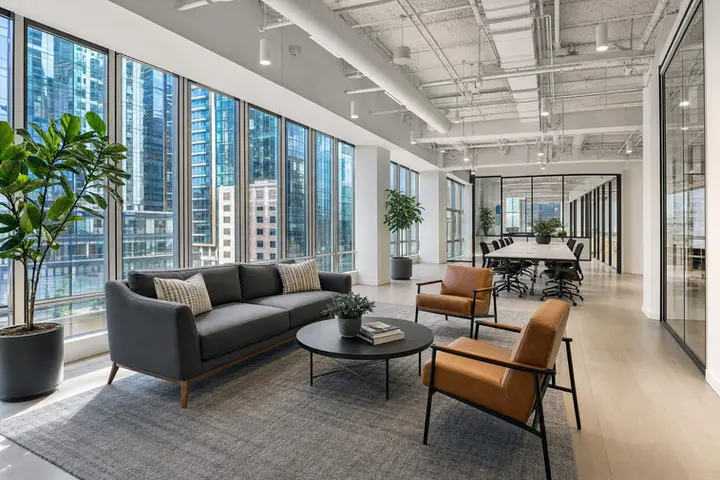
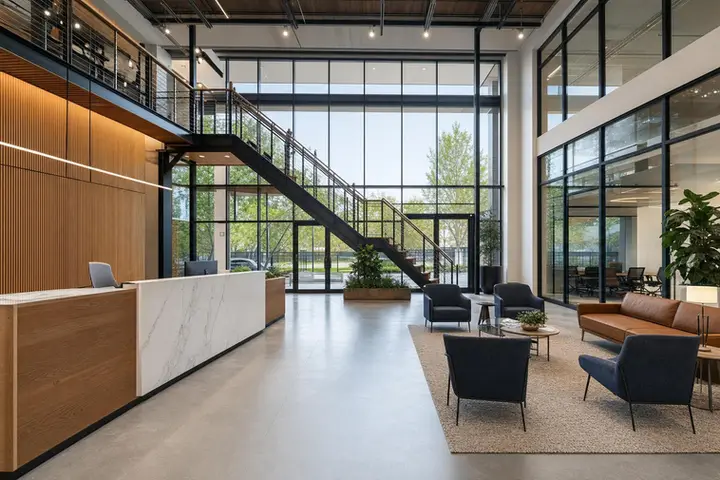
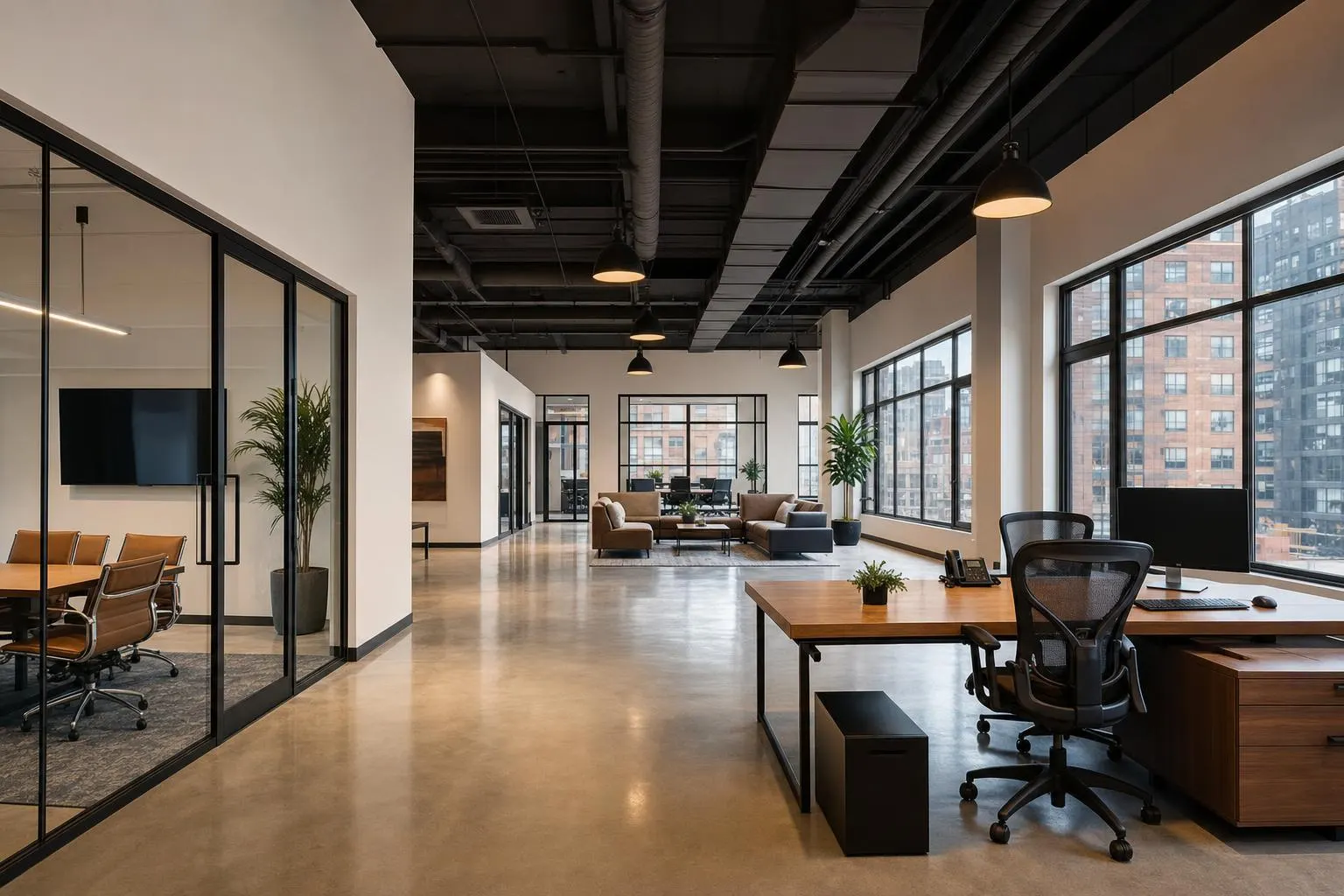
When reviewing commercial architectural photographer portfolios, prioritize relevant experience over sheer volume. Look for shoots similar in property type and scale, such as offices, retail, industrial, or development projects. For offices, check that the photographer can depict both individual workspaces and the flow between shared and private areas. With retail or restaurants, strong exterior visibility and a clear sense of pedestrian approach are especially important.
Warehouse and industrial photography involves representing larger spaces while keeping proportions accurate. The portfolio should demonstrate an ability to clearly portray access doors, parking, high ceilings, and operational areas without creating visual distortion. For developments or multifamily projects, attention to both current conditions and the context within the neighborhood is key.
Why Agents Choose RealtaSnap
- Pay close attention to composition and proportion when judging a photographer’s work. Look for straight architectural lines, natural room dimensions, balanced lighting, and intentional framing rather than overuse of wide-angle views. Well-executed commercial property photography gives viewers a genuine sense of place without making the space look misleadingly large or small.
- Defining the assignment clearly before requesting a quote is essential for getting the right results. Clarify the property address, its size, type, current occupancy status, areas needing coverage, and the desired use of the images, such as for online listings, investment decks, or social media. Establish whether you need just still photos or other deliverables like drone images, floor plans, or video, as this will affect scope and planning.
- Scheduling a shoot around building operations helps ensure a smooth process. Properties in New York and New Jersey often have unique access needs: some shoots require working around tenants or business hours, while others depend on managing security, freight elevators, or active loading zones. Sharing access procedures, must-shoot areas, privacy requirements, and scheduling preferences with your photographer helps everyone prepare.
Fast Turnaround and Better Results
Preparation can make a significant difference in commercial property photography. Walk the property before the appointment to clear temporary clutter or distractions that don’t reflect the intended use or layout. In offices, simple steps like hiding cables, tidying desks, and removing personal items are beneficial. For retail and industrial sites, designate which operational areas should be included or kept out of photos.
In New York City and New Jersey, logistics play an outsized role in commercial assignments. Dense urban sites may have specific constraints, such as narrow sidewalks, high-rise shadows, or building rules that dictate available shoot times. New Jersey properties often offer broader site lines and more flexible access but may involve industrial operations or business park policies. Early conversations about drone or aerial imaging help set expectations for feasibility and access.
RealtaSnap understands these regional considerations and offers a streamlined workflow for commercial property media. Clients can use the online booking system to choose services, specify access instructions, and schedule shoots based on real-time availability. For more complex assignments, preparing a concise brief outlining your needs enables the photographer to work efficiently and deliver exactly what matters for your marketing or leasing goals.
Complementary media like floor plans, 3D tours, or video may bring added value when understanding layout or movement through a space is especially important. These services require on-site capture and should be discussed up front to determine what makes sense for your project. All prices and information are subject to change. Information is deemed reliable but not guaranteed.
Ready to Elevate Your Next Listing?
Ready to get started? Visit RealtaSnap to explore our services and book your next shoot.
Frequently Asked Questions
What information should I provide before booking a commercial real estate photography shoot?
Share the property address, type, expected spaces for coverage, access information, and any must-capture features or constraints for more accurate planning.
Can floor plans be made from my existing architectural PDF?
Marketing floor plans require on-site capture of the actual property for accuracy, rather than being created directly from an existing PDF.
How does commercial real estate photography differ from residential?
Commercial shoots prioritize practical features, layout, and operational context, while residential photography usually emphasizes inviting environments and lifestyle.